
Progress feels easier when milestones are clear, measurable, and reviewed often. AI-assisted tracking can reduce the friction of planning, highlight risks early, and turn scattered updates into a simple weekly rhythm. The result is less “Where are we?” and more “What’s the next best move?”—whether you’re managing personal goals, a team project, or a long-term initiative.
Milestones are supposed to make progress visible. In practice, they often fail for a few predictable reasons:
Smart tracking solves these failure points by promoting consistency: AI can generate milestone checklists, summarize status from messy notes, and prompt next actions based on what’s actually happening—so the milestone plan stays alive without adding meetings.
A reliable milestone system is lightweight, outcome-driven, and easy to review:
| Milestone | Success signal | Owner | Due date | Next action |
|---|---|---|---|---|
| Define scope | Requirements approved | You / PM | Day 3 | Collect inputs and confirm constraints |
| Build first version | Working draft or prototype | Builder | Week 1 | Create task list and start highest-risk item |
| Validate | Tests/review completed | Reviewer | Week 2 | Schedule review + prepare checklist |
| Ship | Published / delivered | Owner | Week 3 | Finalize and communicate release |
| Measure | Metric report created | Analyst | Week 4 | Compare baseline vs. current and note lessons |
AI tends to deliver the most value in the “glue work” that causes tracking to break down—drafting, summarizing, and nudging follow-through.
| Tracking need | Manual approach | AI-assisted approach | Best use case |
|---|---|---|---|
| Milestone creation | Brainstorm and rewrite repeatedly | Drafts milestones from a goal statement and constraints | New projects or unclear goals |
| Weekly updates | Copy/paste notes into a status doc | Summarizes activity into a brief status update | Busy weeks with many moving parts |
| Scope creep control | Rely on memory and meeting notes | Highlights changes vs. baseline and suggests re-scoping | Long projects with shifting requirements |
| Blocker management | Wait until a deadline slips | Flags risks early and suggests mitigation steps | Cross-functional or dependency-heavy work |
For milestone fundamentals and examples, the guidance from Atlassian’s milestone overview is a helpful baseline; for broader standards and terminology, Project Management Institute (PMI) is a strong reference. For goal-setting and performance practices, Harvard Business Review offers research-backed perspectives.
Most milestone plans fail quietly because they aren’t revisited. A short weekly rhythm keeps the plan current without becoming a chore.
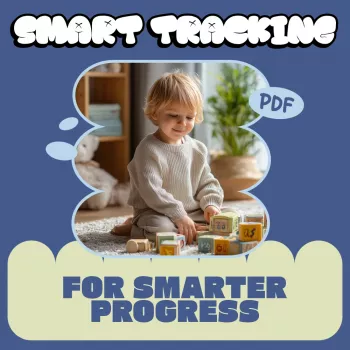
If building the system from scratch is the main obstacle, a guided framework helps you start fast and refine later. The Smart Tracking for Smarter Progress | AI Tools for Milestone Tracking eBook for Productivity, Project Management & Goal Achievement is designed to translate goals into measurable checkpoints, then keep them moving with a repeatable review loop.
For sustainability, it also helps to notice when “tracking” is hiding overload. The AI-Powered Burnout Radar | Digital Checklist for Recognizing Burnout Signs with AI can complement milestone planning by making it easier to spot early warning signs, so goals stay achievable without running on fumes.
A milestone plan is a set of outcome checkpoints (for example, “prototype approved”), while a task list is the set of actions inside that milestone (for example, “draft screens, review copy, fix bugs”). Milestones make progress easier to forecast and communicate because they show meaningful progress points, not just activity.
Weekly reviews work well for most goals and projects because they catch risks early without creating overhead. Daily check-ins are best reserved for short sprints or high-risk phases where conditions change quickly.
Yes—AI can act as an assistant that drafts milestones, summarizes status, and suggests next actions while your project management tool remains the single source of truth. The key is to keep milestones stored in one place and use AI to reduce the manual effort of keeping them updated.











Leave a comment