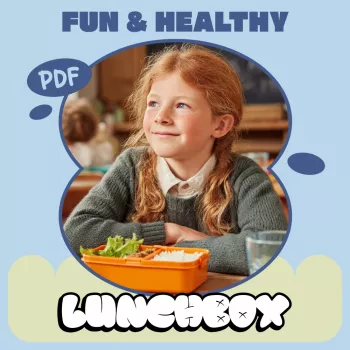
Packing school lunch can feel like a daily puzzle: balanced nutrition, foods kids will actually eat, and a routine that doesn’t add stress to busy mornings. A simple lunchbox checklist plus a printable daily planner turns the process into a repeatable system—making it easier to rotate options, cover key food groups, and keep prep realistic for the week ahead.
The easiest lunches aren’t “new” every day—they’re built from a simple formula. Think of lunch packing as quick assembly with a few prepped components rather than a daily cooking project.
For a simple routine you can hand off to a partner, grandparent, or sitter, a printable system helps everyone pack the same way. The Printable lunchbox checklist and daily school lunch planner is designed to make “What goes in the lunchbox?” a quick yes/no decision instead of a debate at 7 a.m.
A balanced lunch doesn’t need to be complicated. A MyPlate-style approach—building a meal from a few key food groups—keeps the choices simple and flexible (see USDA MyPlate for a helpful visual guide).
| Protein | Fiber-rich carb | Fruit | Vegetable | Extra (optional) |
|---|---|---|---|---|
| Greek yogurt or cottage cheese | Whole-grain pita | Apple slices | Cucumber rounds | Hummus cup |
| Chicken or turkey slices | Brown rice cup | Berries | Baby carrots | Cheese stick |
| Hard-boiled egg | Whole-grain crackers | Banana | Bell pepper strips | Guacamole |
| Beans (in a wrap or salad) | Whole-wheat tortilla | Orange segments | Cherry tomatoes | Pumpkin seeds |
Kids often eat better when lunch feels familiar, bite-sized, and easy to open. Instead of pushing “perfect nutrition” in one container, aim for a lunch that’s approachable and consistent—then add small upgrades over time.
If mornings feel overwhelming even with a plan, it can help to track stress patterns alongside routines. The AI-Powered Burnout Radar digital checklist can complement a lunch-planning routine by helping you spot when your schedule needs simplifying.
A short weekly reset can replace weekday chaos. The goal isn’t full meal prep—it’s prepping components that make packing mostly “grab, portion, and go.”
Safety matters just as much as variety. A few small habits can reduce the risk of food sitting too long at unsafe temperatures (see CDC food safety guidance for general best practices).
For more practical lunch guidance geared to families, HealthyChildren.org (from the American Academy of Pediatrics) is a helpful reference for age-appropriate expectations and routines.
If you want an easy, repeatable setup, start with the Fun & Healthy Lunchbox Checklist for Kids (Printable Daily School Lunch Planner) and keep it on the fridge or in a meal-planning binder.
Pack 1–2 reliable “safe foods” alongside one small new item, and repeat the new item a few times without pressure. Dips, fun shapes, and smaller portions often improve acceptance, and weekly balance matters more than a perfect single lunch.
A simple baseline is protein, a fiber-rich carb, fruit, a vegetable, and water, with an added healthy fat when your child needs more staying power. Adjust portions based on age, appetite, and how long the school day is.
Most components can be prepped 3–4 days ahead (washed produce, cooked proteins, and dips), then assembled the night before or morning-of. For best texture and safety, keep cold foods chilled and avoid pre-cut items that get soggy quickly unless your child doesn’t mind.











Leave a comment